
How Local Science Tuition Support Transforms Student Learning Outcomes
Science education has become increasingly demanding, especially for students navigating complex school syllabi and competitive academic environments. Many learners search for effective academic help that is both accessible and tailored to their needs, often using terms like “science tuition near me” to find suitable learning support. This growing demand reflects a broader recognition that classroom teaching alone is sometimes not enough to fully develop conceptual clarity in subjects such as physics, chemistry, and biology. Structured tuition provides an additional layer of academic reinforcement that helps students build confidence, improve understanding, and perform better in examinations.
In today’s education system, students are expected to understand abstract scientific concepts while also applying them in problem-solving scenarios. This dual requirement can be challenging without guided instruction. Local tuition support bridges this gap by offering personalized attention, consistent practice, and targeted explanations. When students receive learning support close to their location, it also increases convenience and consistency in attendance, which directly contributes to better academic outcomes over time.
The Rising Demand for Accessible Science Tuition Support
The search for “science tuition near me” has become increasingly common among students and parents seeking convenient academic assistance. Accessibility plays a major role in educational consistency, as students are more likely to attend regular sessions when the learning center is nearby. This consistency is essential for mastering science concepts, which often require gradual progression and repeated reinforcement.
Science subjects demand both theoretical understanding and practical application. Without regular practice, students may struggle to retain information or apply it effectively during examinations. Local tuition centers help solve this issue by providing structured learning environments where students can revise topics, clarify doubts, and engage in guided problem-solving exercises. Over time, this consistent exposure leads to stronger academic performance and improved confidence in handling difficult topics.
Why Science Learning Requires Structured Academic Support
Science is a subject that builds progressively. Each new concept is often dependent on understanding previous topics. For example, learning chemical reactions requires knowledge of atomic structure, while understanding motion in physics requires familiarity with basic mathematical relationships. Without a strong foundation, students may find advanced topics overwhelming.
Structured academic support ensures that students do not skip essential foundational knowledge. Instead, they are guided step by step through each topic, ensuring clarity before moving forward. This method reduces confusion and strengthens long-term retention. It also allows educators to identify learning gaps early and address them before they affect overall performance.
Challenges Students Face in Science Subjects
Many students struggle with science due to the abstract nature of its concepts. Unlike subjects that rely heavily on memorization, science requires analytical thinking and application-based learning. This shift can be difficult for students who are not used to interpreting information critically.
Another major challenge is the volume of content covered in school syllabi. Students are expected to learn multiple topics within a limited time frame, often leading to rushed revision and incomplete understanding. Additionally, exam pressure can make it difficult for students to think clearly during assessments, even if they understand the material. These challenges highlight the importance of structured guidance that reinforces learning in a manageable and effective way.
The Role of Personalized Learning in Science Education
Personalized learning is one of the most effective approaches in science education. Every student learns at a different pace, and a one-size-fits-all teaching method may not address individual weaknesses. Personalized tuition allows educators to adapt lessons based on student performance, ensuring that difficult concepts are explained in greater detail when needed.
This approach also encourages active participation. Students are more likely to ask questions and engage in discussions when they feel supported. Over time, this interaction builds confidence and improves understanding. Personalized learning also helps students develop independent thinking skills, which are essential for solving complex science problems.
Building Strong Foundations Through Secondary Science Education
Secondary education is a critical stage in academic development, especially for science subjects. At this level, students are introduced to more advanced concepts that require deeper understanding and analytical skills. Many learners benefit from structured programs such as Secondary science tuition Singapore, which focus on strengthening foundational knowledge while preparing students for higher-level examinations.
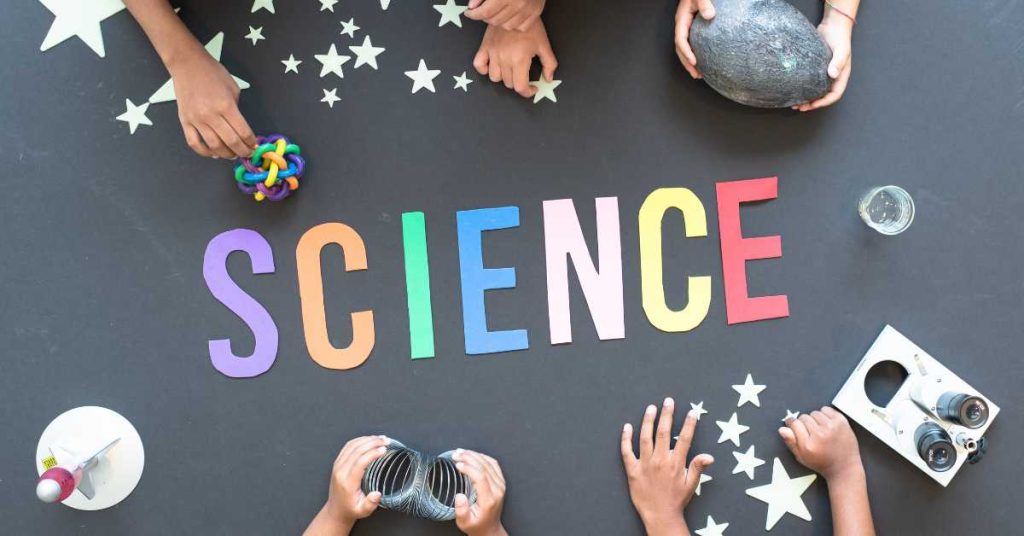
At the secondary level, science becomes more integrated and complex. Physics introduces mathematical relationships, chemistry explores molecular interactions, and biology examines living systems in detail. Without proper guidance, students may struggle to connect these concepts. Structured tuition ensures that learning is gradual, logical, and easy to follow, allowing students to build confidence as they progress.
Strengthening Conceptual Understanding in Science
Conceptual understanding is essential for success in science education. Memorizing formulas or definitions is not enough; students must understand the reasoning behind scientific principles. Tuition programs emphasize this by breaking down complex ideas into simple explanations and using real-life examples to make learning more relatable.
For instance, physics concepts like force and energy can be demonstrated through everyday activities, while chemistry reactions can be explained using practical scenarios such as cooking or cleaning processes. This method helps students visualize abstract ideas, making them easier to understand and remember.
The Importance of Consistent Practice and Revision
Consistency is key to mastering science subjects. Regular practice helps reinforce learning and improves problem-solving speed. Without consistent revision, students may forget important concepts over time, especially when dealing with large syllabi.
Structured tuition programs emphasize continuous practice through worksheets, quizzes, and revision sessions. These activities help students apply what they have learned and identify areas that need improvement. Over time, consistent practice leads to stronger retention and better exam performance.
Developing Analytical Thinking Skills in Students
Science education plays a crucial role in developing analytical thinking skills. Students are encouraged to analyze data, interpret results, and draw logical conclusions. These skills are not only important for academic success but also for real-world problem-solving.
Through guided learning, students learn how to approach problems systematically. They are taught to break down complex questions into smaller parts and solve them step by step. This structured approach improves accuracy and builds confidence in handling challenging questions during examinations.
Enhancing Exam Preparation Strategies
Exam preparation is a major focus of science tuition. Students are trained to understand question patterns, manage time effectively, and structure their answers clearly. Practice exams simulate real test conditions, helping students become familiar with pressure and timing constraints.
In addition to practice papers, revision strategies play an important role in preparation. Students are guided on how to prioritize topics, revise efficiently, and focus on high-weightage areas. This targeted approach ensures better preparation and improved academic results.
The Importance of Experienced Educators in Science Tuition
Experienced educators play a vital role in student success. They bring subject expertise and teaching experience that helps simplify complex topics. Their ability to explain difficult concepts in an understandable manner makes learning more effective.
Educators also provide valuable feedback, helping students identify mistakes and improve their understanding. This continuous guidance ensures steady academic progress and builds a strong foundation for future learning.
Creating an Effective Learning Environment
A positive learning environment is essential for academic success. Students perform better when they feel comfortable, supported, and encouraged to ask questions. Small class sizes in tuition centers allow for more interaction between students and educators.
This environment also encourages collaboration among students. Group discussions and interactive sessions help learners share ideas and learn from each other. This collaborative approach enhances understanding and makes learning more engaging.
Improving Confidence Through Academic Support
Confidence plays a significant role in academic performance. Students who understand their subjects well are more likely to participate actively in class and perform better in exams. Structured tuition helps build this confidence by providing clear explanations and consistent practice.
As students improve, they begin to feel more comfortable handling difficult questions. This increased confidence motivates them to continue learning and striving for better results.
The Connection Between Science Tuition and Academic Success
Academic success in science is closely linked to consistent learning and practice. Students who receive structured support are better prepared to handle complex topics and exam questions. Tuition programs provide the necessary tools and strategies to help students succeed.
By reinforcing school learning and providing additional practice, tuition helps bridge gaps in understanding. This results in improved grades and a stronger overall academic foundation.
Preparing Students for Future Academic Pathways
Science education at the secondary level plays a key role in shaping future academic choices. Students who perform well in science subjects often pursue careers in engineering, medicine, research, and technology.
Structured tuition ensures that students are well-prepared for these pathways by building strong foundational knowledge. This preparation gives them an advantage when pursuing advanced studies in science-related fields.
Building Lifelong Learning Habits
One of the long-term benefits of science tuition is the development of lifelong learning habits. Students learn how to manage their time, stay organized, and approach problems systematically. These habits are valuable beyond academics and contribute to personal and professional success.
By encouraging curiosity and independent thinking, tuition helps students develop a positive attitude toward learning. This mindset supports continuous growth and adaptability in an ever-changing world.
Conclusion of Academic Growth Through Local Science Support
Finding reliable academic support through local science tuition can make a significant difference in a student’s learning journey. With structured guidance, personalized attention, and consistent practice, students are able to overcome challenges and achieve stronger academic performance. Whether it is building foundational knowledge or preparing for examinations, accessible tuition support plays a crucial role in shaping confident and capable science learners.